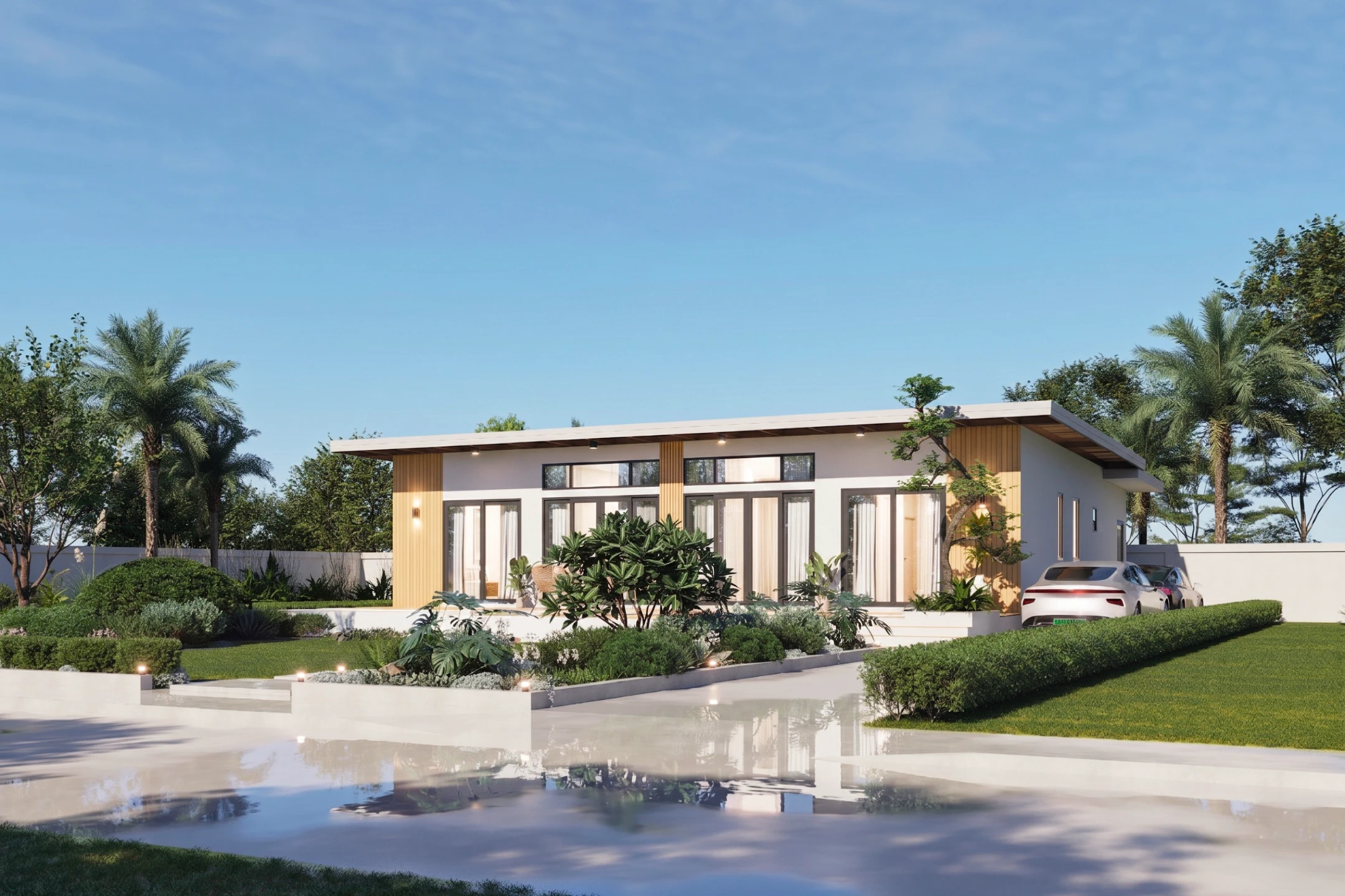
Land has long been considered one of the safest and most valuable real estate investments in Thailand. Unlike buildings, which depreciate over time, land often appreciates in value as infrastructure expands and urban development grows.
However, purchasing land without proper due diligence can lead to costly mistakes, legal disputes, development restrictions, or investment losses.
Whether you plan to build a home, develop a project, or hold land for future appreciation, understanding how to evaluate a land parcel is critical.
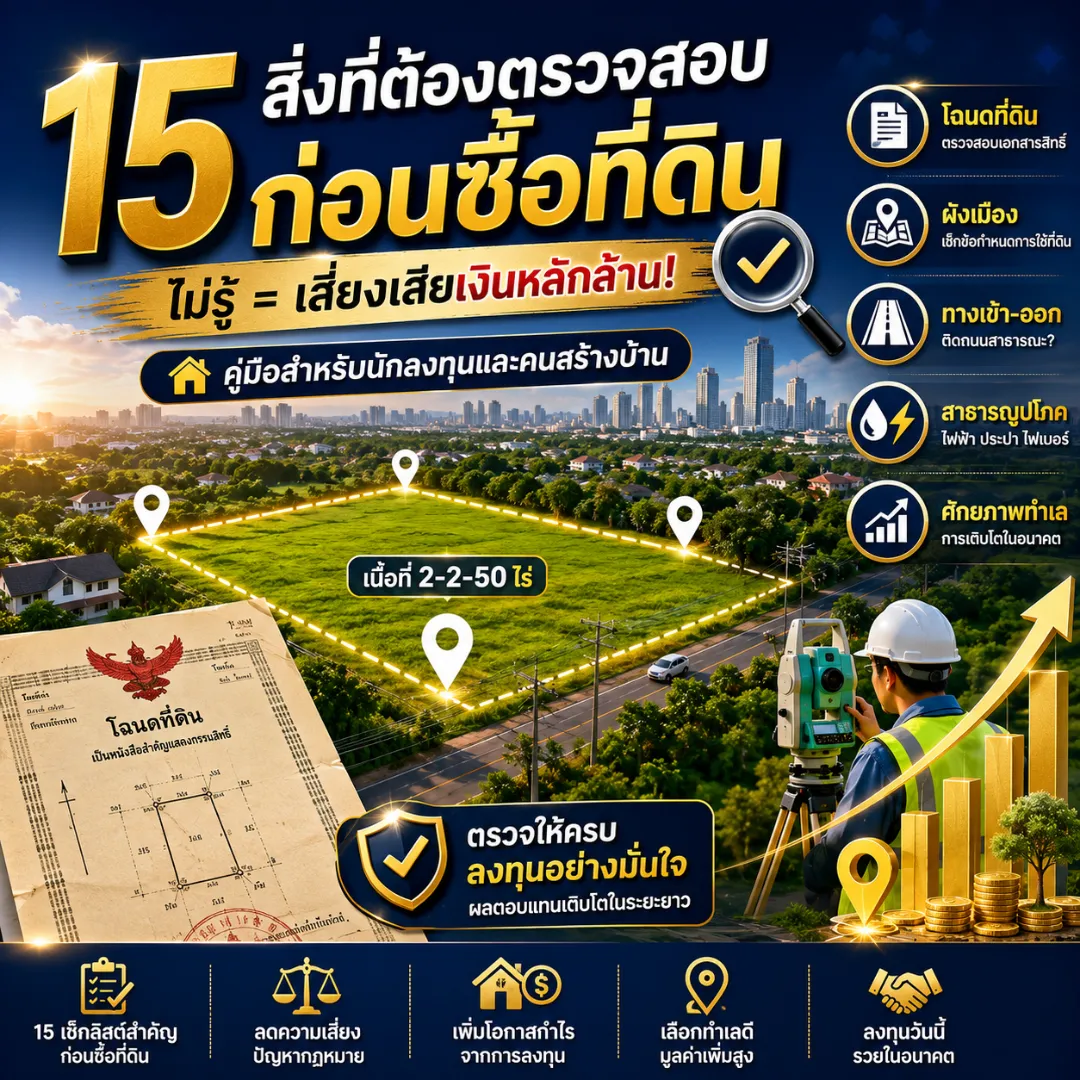
This guide outlines 15 essential factors every buyer should examine before purchasing land in Thailand.
Why Land Is Different from Other Property Types
Unlike houses and condominiums, land does not generate value simply because it exists.
The value of land depends on:
Location
Accessibility
Legal status
Infrastructure
Future development potential
Government planning policies
Two neighboring plots can have dramatically different values due to zoning, road access, or ownership conditions.
1. Verify the Land Title Deed
The first step is to confirm the type of title deed.
Common title documents include:
Chanote (Nor Sor 4 Jor)
The most secure form of ownership.
Benefits:
Precise GPS coordinates
Clearly defined boundaries
Immediate transfer rights
Suitable for financing
Nor Sor 3 Kor
Generally acceptable for transactions but may require additional verification.
Nor Sor 3
Older documentation with less precise boundary measurements.
Requires extra caution before purchase.
2. Confirm Ownership
Always verify that the seller is the legal owner.
Check:
National ID
House registration
Marriage status
Power of attorney (if applicable)
Request copies before proceeding with any deposit.
3. Check for Encumbrances
Visit the Land Office to determine whether the property has:
Mortgages
Court orders
Liens
Legal disputes
Restrictions on transfer
Many buyers overlook this step.
4. Verify Road Access
A beautiful piece of land may become difficult to use if legal road access does not exist.
Questions to ask:
Is there a public road?
Is access recorded in official documents?
Can large vehicles enter the property?
Landlocked parcels often sell below market value.
5. Evaluate the Location
Location remains the most important factor.
Consider proximity to:
Major roads
Public transportation
Schools
Hospitals
Shopping centers
Industrial zones
Future infrastructure projects can dramatically increase land values.
6. Study the City Plan (Zoning)
Thailand's zoning regulations determine what can be built on land.
Examples include:
Residential zones
Commercial zones
Industrial zones
Agricultural zones
Buying land without checking zoning can create major limitations later.
7. Measure the Shape of the Land
Shape affects usability and development potential.
Preferred shapes:
✓ Rectangle
✓ Square
Less desirable shapes:
✗ Narrow frontage
✗ Triangle
✗ Irregular plots
Regular shapes generally maximize development efficiency.
8. Examine Frontage Width
Road frontage significantly impacts value.
Benefits of wider frontage include:
Better visibility
Easier access
More design flexibility
Stronger commercial potential
For commercial projects, frontage can be more important than total area.
9. Inspect Elevation and Drainage
Flooding remains a concern in many regions of Thailand.
Inspect:
Water flow patterns
Drainage systems
Nearby canals
Flood history
Higher land often requires less site preparation.
10. Evaluate Utility Access
Confirm availability of:
Electricity
Water supply
Internet infrastructure
Wastewater systems
Extending utilities can substantially increase development costs.
11. Understand Future Infrastructure Plans
Future government projects can significantly influence property values.
Examples:
New highways
BTS extensions
MRT lines
Airports
Industrial estates
Early investment near future infrastructure often yields strong returns.
12. Analyze Market Prices
Compare similar land sales nearby.
Evaluate:
Price per square wah
Price per rai
Recent transactions
Market demand
Never rely solely on the seller's asking price.
13. Assess Development Potential
Ask yourself:
Can this land support my intended use?
Examples:
Residential development
Commercial buildings
Warehouses
Vacation homes
Agricultural operations
The best investment is often land with multiple future use options.
14. Review Environmental Factors
Check for nearby:
Factories
High-voltage transmission lines
Waste facilities
Flood-prone areas
Noise pollution sources
Environmental issues can negatively affect both value and marketability.
15. Calculate Long-Term Investment Potential
Successful investors focus on future value rather than current conditions.
Consider:
Population growth
Infrastructure expansion
Economic development
Urban migration patterns
Tourism growth
The goal is to identify areas that will become more valuable over time.
Common Mistakes Land Buyers Make
Many investors make avoidable mistakes, including:
Buying without checking zoning
Ignoring road access issues
Overpaying based on emotion
Failing to verify ownership
Not visiting the property personally
Overlooking future infrastructure plans
Avoiding these mistakes can save significant time and money.
Investment Checklist Before Purchase
Before signing any agreement, confirm:
✓ Title deed verified
✓ Ownership verified
✓ Zoning checked
✓ Road access confirmed
✓ Utilities available
✓ Market price analyzed
✓ Flood risk assessed
✓ Development plans reviewed
✓ Legal review completed
✓ Future growth potential evaluated
Conclusion
Land remains one of Thailand's most attractive long-term investments. However, successful land investing requires careful analysis, legal verification, and strategic planning.
By evaluating title documents, zoning regulations, access, infrastructure, and future growth potential, buyers can significantly reduce risk and increase the likelihood of strong returns.
The most successful investors do not simply buy land—they buy the future potential of a location.