Learn the essential fundamentals of Thailand's real estate market, including how to evaluate houses, condominiums, and land, assess locations, calculate investment returns, secure financing, and understand future market trends.
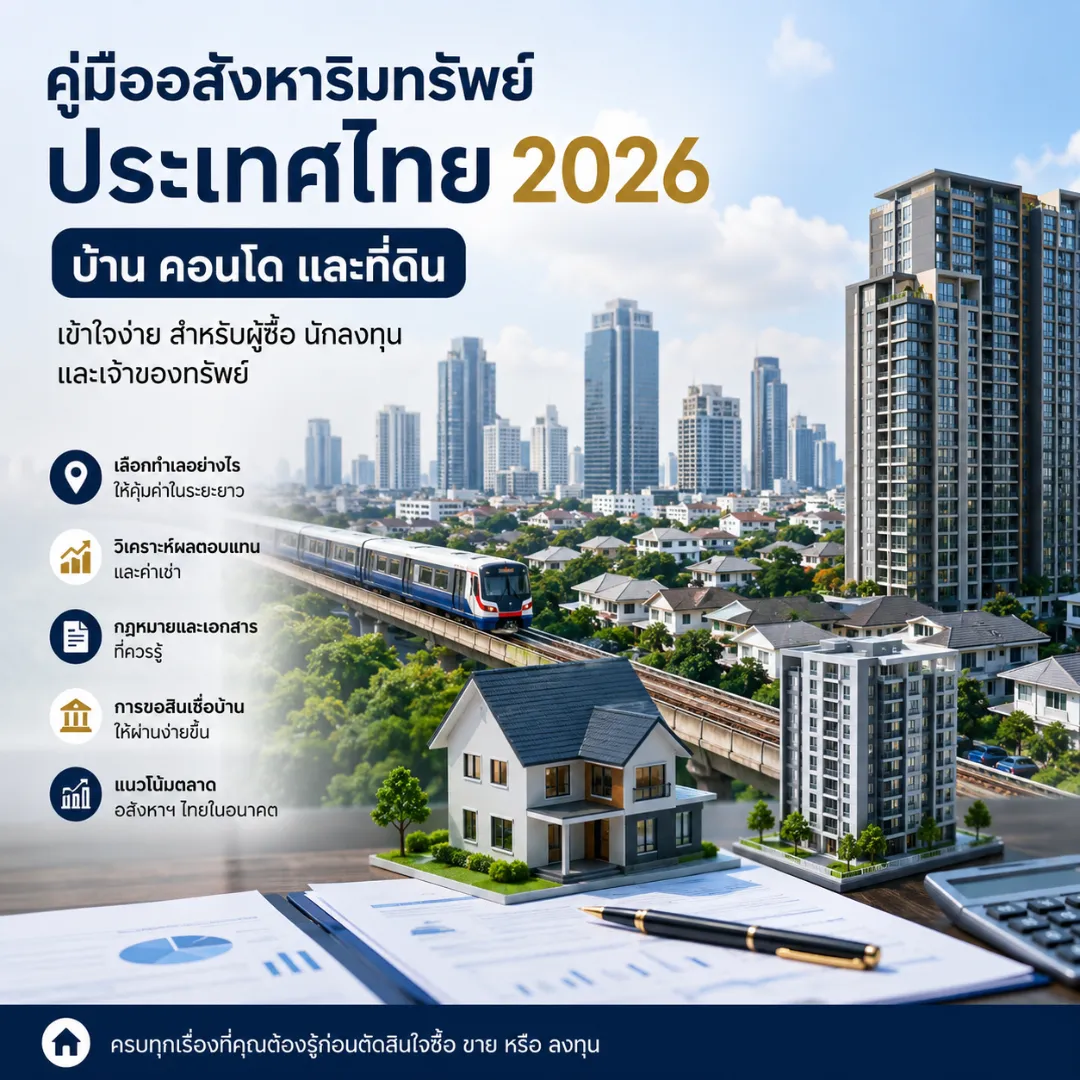
Thailand Real Estate Guide 2026
Real estate remains one of the most popular investment assets in Thailand. Whether purchasing a property for personal residence, rental income, or long-term capital appreciation, understanding the fundamentals of the market is essential for making informed decisions.
Buying a house, condominium, or land involves much more than choosing an attractive property or finding the lowest price. Factors such as location, market demand, legal considerations, financing, and future growth potential all play a critical role.
This guide provides a comprehensive overview of Thailand's real estate market and practical insights for buyers, investors, and property owners.
1. Understanding Property Types in Thailand
Thailand's real estate market can generally be divided into three major categories.
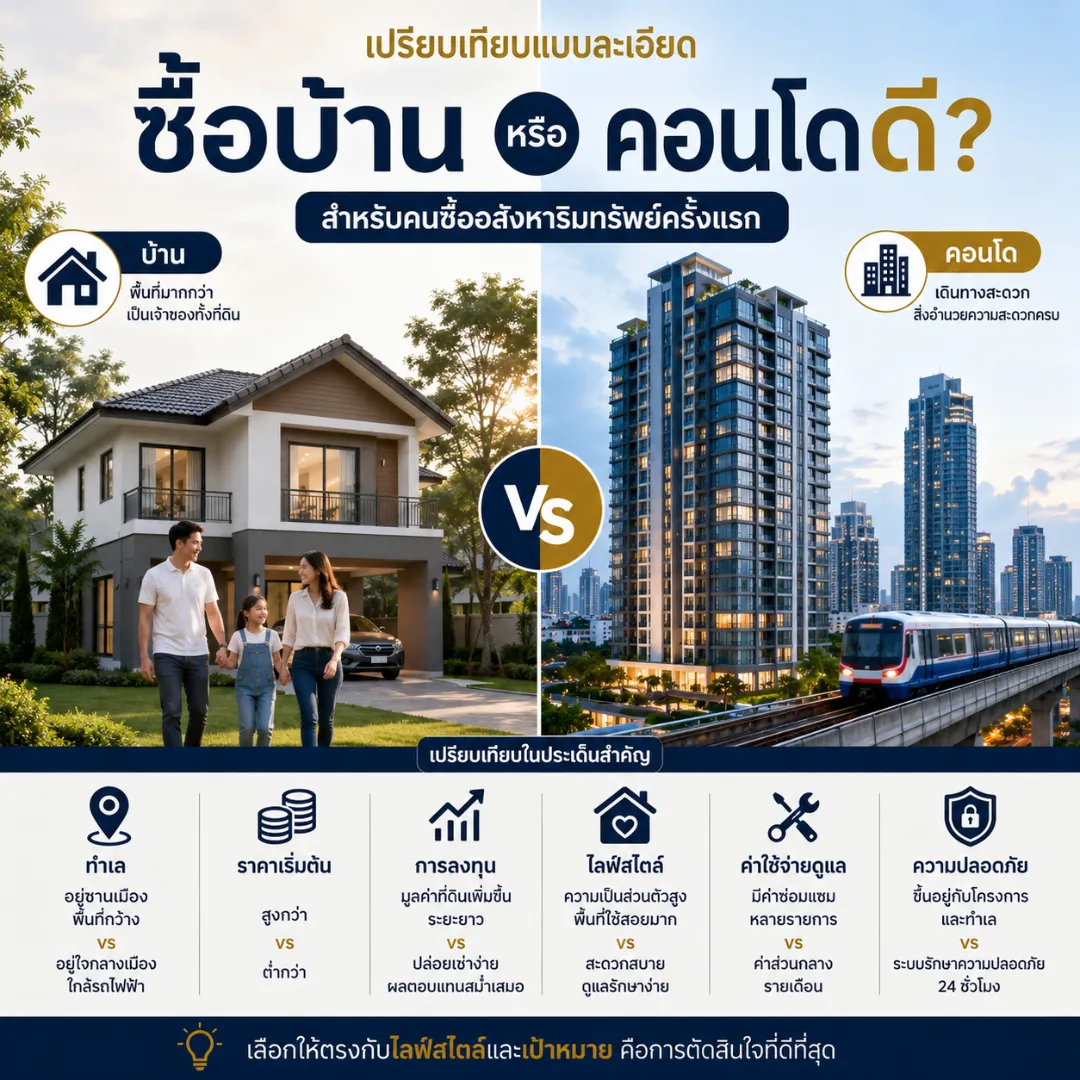
Houses
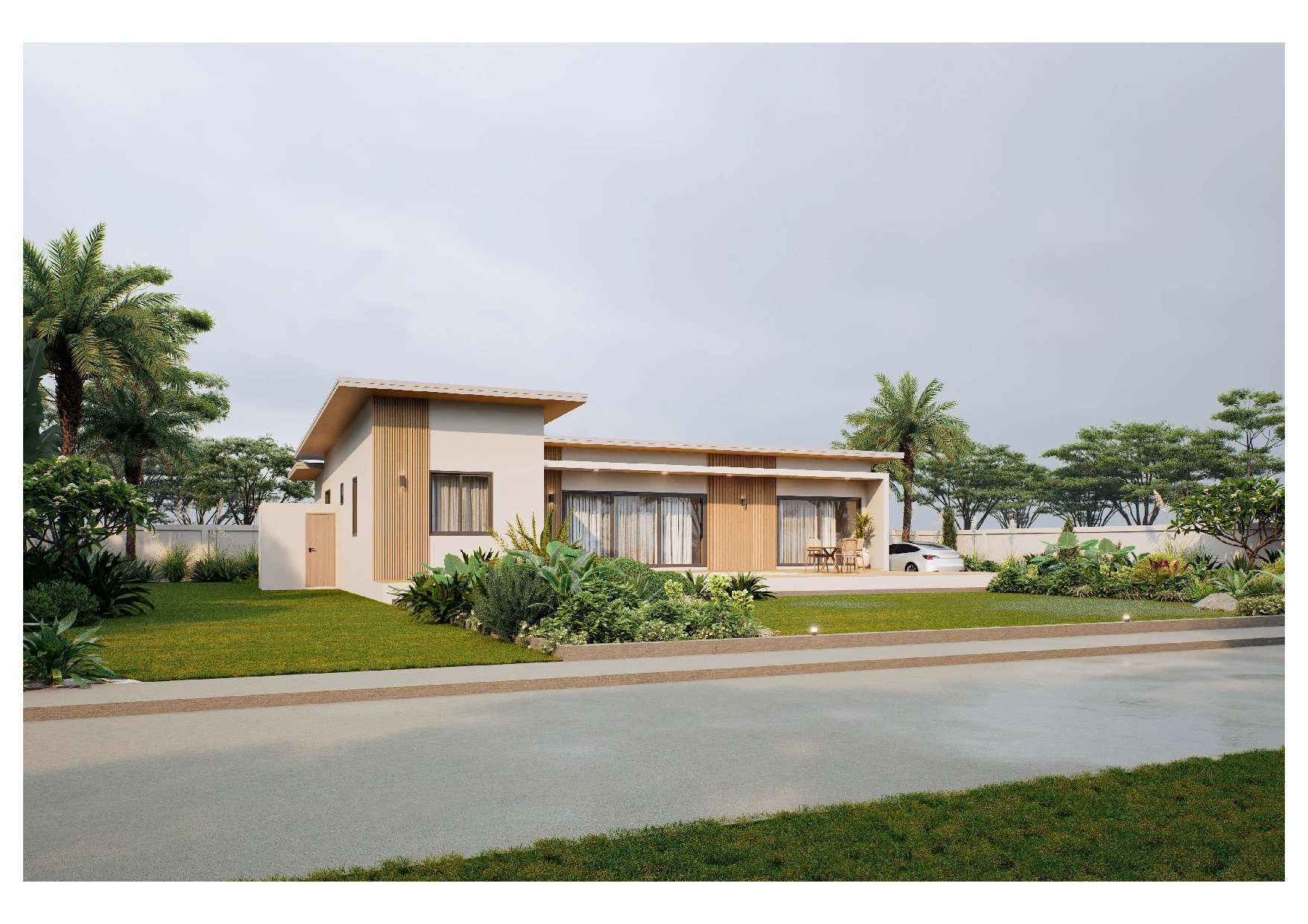
Detached houses are ideal for families seeking privacy and long-term residential stability.
Advantages
Greater privacy
Ownership of both building and land
More flexibility for renovations and extensions
Strong long-term value appreciation
Considerations
Higher purchase price
Increased maintenance costs
Often located farther from city centers
Condominiums
Condominiums are particularly popular among urban professionals and property investors.
Advantages
Convenient access to public transportation
Lower maintenance responsibilities
Comprehensive facilities and amenities
Strong rental demand in urban locations
Considerations
Monthly maintenance fees
Limited living space
Restrictions on modifications
Land
Land is often considered one of the most secure long-term investments.
Advantages
No building depreciation
Significant appreciation potential
Flexible development opportunities
Considerations
Does not always generate immediate income
Requires understanding of zoning regulations
Typically demands a longer investment horizon
2. Why Location Matters More Than Price
One of the most common phrases in real estate is:
"Location, Location, Location."
A property's location directly impacts:
Market value
Rental demand
Future appreciation
Resale opportunities
Key Factors When Evaluating Location
Transportation Access
Properties near transportation infrastructure often maintain stronger demand.
Examples include:
BTS Skytrain
MRT Subway
Expressways
Airports
Lifestyle Amenities
Buyers should consider proximity to:
Schools
Hospitals
Shopping centers
Parks
Business districts
Future Development Potential
Areas benefiting from government infrastructure projects often experience stronger capital appreciation.
3. Evaluating Investment Returns
Before purchasing an investment property, it is important to analyze expected returns.
Rental Yield Formula
Rental Yield (%) = Annual Rental Income ÷ Property Price × 100
Example
Property Price:
3,000,000 THB
Monthly Rent:
15,000 THB
Annual Rental Income:
180,000 THB
Rental Yield:
180,000 ÷ 3,000,000 × 100
= 6%
In many Thai markets, a rental yield between 4% and 7% is generally considered attractive.
4. Choosing the Right Home for Your Lifestyle
Property selection should align with personal needs and future plans.
Small Families
Suitable options include:
Townhouses
Twin houses
Large condominiums
Growing Families
Recommended choices include:
Detached houses
Two-story homes
Properties with garden space
Retirees
Important considerations include:
Ground-floor bedrooms
Accessibility features
Nearby healthcare facilities
Security and community services
5. What to Check Before Buying a Condominium
Project Documentation
Verify:
Construction permits
Environmental approvals
Developer reputation
Legal ownership structure
Maintenance Fees
Review:
Monthly fee structure
Future adjustment policies
Services included
Sinking Fund
The sinking fund is reserved for future repairs and major building maintenance.
6. Buying Land Professionally
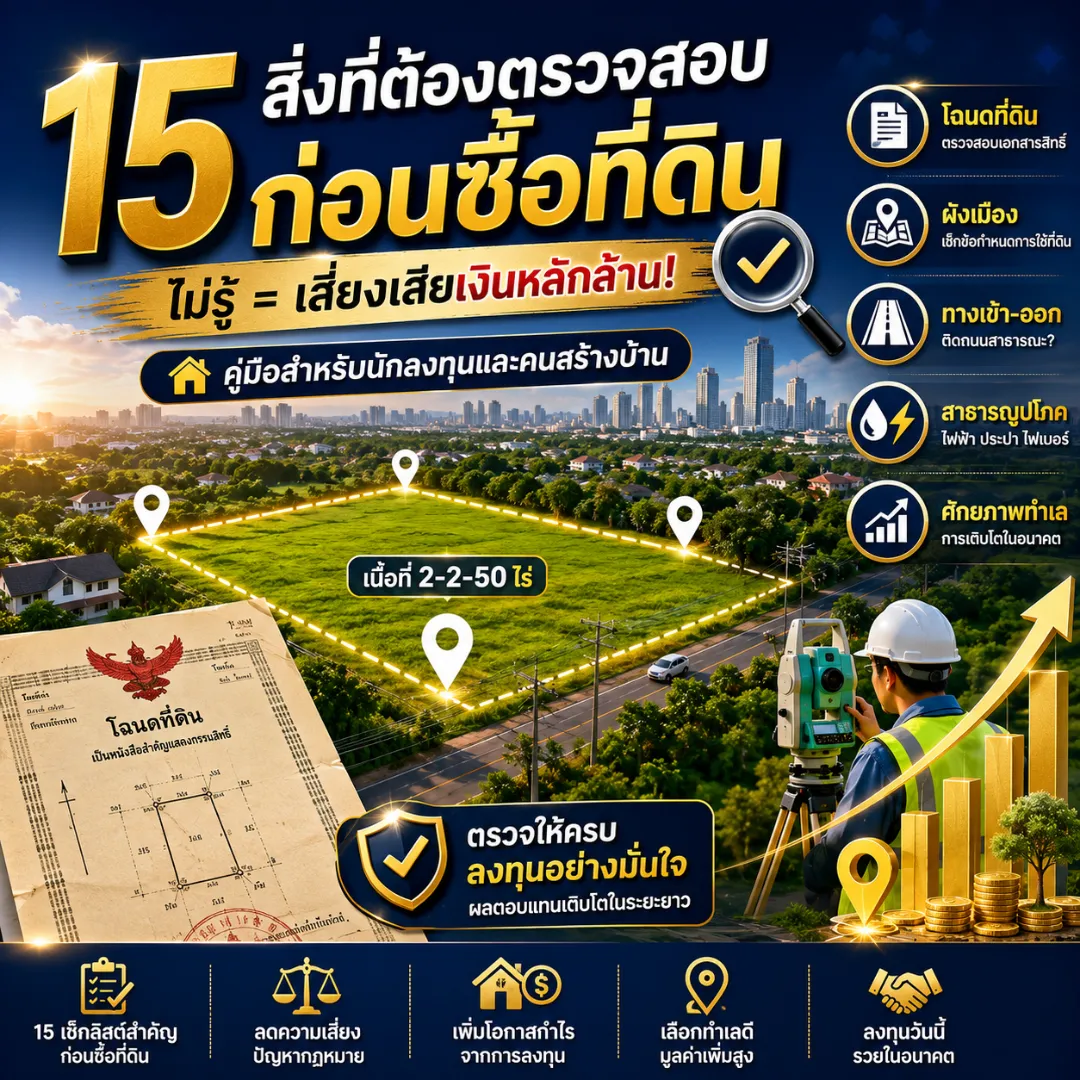
Verify Land Title Documents
Common title types include:
Chanote Title Deed
Nor Sor Sam Kor
Nor Sor Sam
Always confirm ownership rights and legal status before purchasing.
Check Zoning Regulations
Understanding zoning helps determine:
Permitted land use
Building restrictions
Future development opportunities
7. Preparing for Home Financing
Improve Credit Readiness
Banks typically evaluate:
Credit history
Existing debt obligations
Monthly income
Employment stability
Prepare Additional Funds
Beyond the down payment, buyers should budget for:
Transfer fees
Mortgage registration fees
Renovation expenses
Maintenance fees
8. Common Mistakes Property Buyers Make
Buying Solely for Promotions
Promotional discounts should never replace proper due diligence.
Ignoring Location Quality
A low-priced property in a weak location may struggle to appreciate or attract tenants.
Overstretching Financial Capacity
Excessive debt can create long-term financial pressure.
Focusing Only on Purchase Price
Ownership costs extend far beyond the initial transaction.
9. Future Trends in Thailand's Real Estate Market
Several trends are shaping the future of the industry:
Expansion of mass transit systems
Growth of secondary cities
Sustainable housing developments
Smart home technologies
Mixed-use developments
Increased international investment
Investors should continuously monitor economic indicators, interest rates, infrastructure projects, and demographic shifts.
Conclusion
Real estate is more than a place to live—it is a strategic asset capable of generating long-term wealth and financial security. Whether purchasing a house, condominium, or land, successful decisions are built on research, financial planning, and a clear understanding of market fundamentals.
By focusing on location, investment returns, legal considerations, and future growth potential, buyers and investors can significantly reduce risk and maximize opportunities within Thailand's dynamic real estate market.